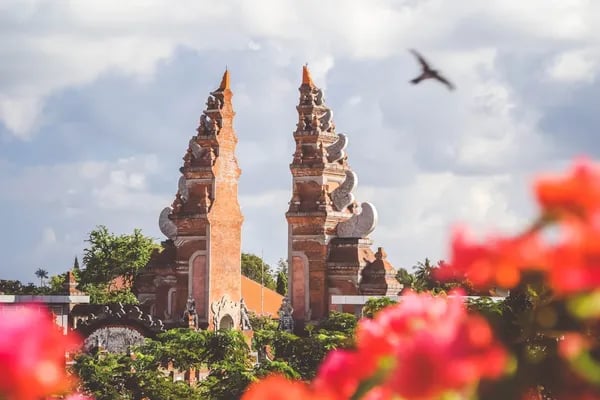

The first time I landed in Bali, I almost missed my luggage while gawking through the airport’s glass at a procession of locals in ceremonial dress—gamelan bells echoing, petals everywhere. That moment stuck: Bali isn’t just scenic, it’s vital, messy, and full of paradoxes. If you think Bali is only about polished Instagram shots, you’re only halfway there. In 2025, Bali’s rich mix of wellness, adventure, spiritual tradition, and post-pandemic energy is drawing record-breaking crowds. What’s really fueling this renaissance—and what surprises lurk behind the island's sun-drenched veneer?
The Rise and Rise of Bali: Visitor Trends & Surprising Stats
Bali’s reputation as an iconic travel destination is not just about postcard-perfect beaches and lush jungles—it’s also about impressive numbers. In 2024, Bali tourism trends reached new heights, with the island welcoming over 6.3 million international arrivals. This record-breaking figure signals a robust recovery and a renewed global interest in Bali’s unique blend of culture, adventure, and relaxation. Early data from 2025 shows that Bali visitor numbers are still climbing, with consistent month-on-month growth from January through May. This momentum places the island well on track to meet its ambitious Bali tourism targets of 6.5 million foreign arrivals for 2025.
What’s fueling this surge? Research shows that a combination of relaxed travel restrictions, increased flight connectivity, and creative promotional campaigns has made Bali more accessible than ever. The island’s tourism authorities have also shifted their focus, aiming to attract higher-value guests who stay longer and engage more deeply with the local culture. The average tourist stay has now risen to 3.01 nights per visitor, reflecting a trend toward more meaningful travel experiences. This increase in length of stay is a positive sign for Bali’s tourism growth, as it suggests visitors are exploring beyond the surface and investing more time in the island’s diverse offerings.
Looking at the Bali tourist arrivals by source market, Australians continue to top the list, followed closely by travelers from India and various European countries. Steady arrivals from other Asian nations further strengthen Bali’s position as a global tourism hub. The diversity of visitors is matched by the diversity of experiences on offer—whether it’s surfing world-class waves, exploring ancient Hindu temples, or participating in wellness retreats. As Giordano Faggioli, General Manager of Ayana Estate, puts it:
“Bali’s energy is universal—it leaves you happier, healthier, and likely a bit more tan than when you arrived.”
This universal appeal is reflected in the island’s ability to attract everyone from surfers and yogis to families, honeymooners, and digital nomads. The growth in Bali visitor numbers is not just about quantity, but also about the quality of the experience. Tourism authorities are now prioritizing guests who seek authentic cultural engagement and sustainable travel practices, aligning with global trends in responsible tourism.
Strategic efforts to promote Bali’s unique mix of adventure, wellness, and culture are clearly paying off. Month-on-month increases in Bali tourist arrivals throughout early 2025 highlight the effectiveness of these campaigns. The island’s world-renowned hospitality, vibrant festivals, and stunning natural landscapes continue to draw travelers back, year after year. With the Bali tourism targets for 2025 within reach, all signs point to another record-setting year for this beloved destination.

Bali’s Greatest Hits—And the Not-So-Secret Spots Locals Love
Bali’s reputation as a dream destination is well-earned. This Bali travel guide explores both the iconic attractions and the lesser-known experiences that make the island unforgettable. While images of luxury villas and emerald jungles fill social media feeds, the real Bali offers much more—especially for those willing to look beyond the postcard views.
Luxury Meets Local Life
For travelers seeking luxury, Bali’s resorts are world-class. The Four Seasons Resort Bali at Sayan—famous for hosting the Obamas and Julia Roberts—offers private pool villas surrounded by lush greenery. Capella Ubud features 22 award-winning tented retreats, floating above the jungle floor, and has been recognized as one of Indonesia’s best resorts. Ayana Villas boasts 78 private plunge-pool villas with ocean views, making it a top choice for honeymooners and those seeking privacy.
But luxury is only part of the story. Bali’s tourism activities also include sunrise hikes up Mount Batur, where visitors can watch the island awaken from above the clouds. Markets like Sukowati offer a chaotic, colorful glimpse into local life, filled with crafts, textiles, and the sounds of bargaining. These experiences are essential for anyone looking for authentic Bali tourism experiences.
Neighborhoods with Distinct Vibes
Each part of Bali has its own personality. Seminyak is famous for its vibrant nightlife, beach clubs like Potato Head, and endless shopping. Uluwatu draws surfers with legendary waves and dramatic cliffs, while Ubud is the island’s spiritual heart, known for yoga retreats, vegan cafes, and temple ceremonies. For those craving quieter escapes, the Nusa islands—Lembongan, Ceningan, and Penida—offer pristine beaches and a slower pace, just a short boat ride from the mainland.
- Seminyak: Nightlife, shopping, beach clubs
- Uluwatu: Surfing, clifftop temples, sunset kecak dances
- Ubud: Yoga, markets, vegan cuisine, spiritual retreats
- Nusa Islands: Snorkeling, traditional villages, tranquility
Culture, Adventure, and Unexpected Moments
Bali’s daily life is rich with culture. The island’s thousands of temples host vivid ceremonies, and it’s common to see locals placing canang sari offerings on doorsteps and shrines. Research shows that visitors increasingly seek out these Bali tourism attractions for deeper cultural understanding. Don’t miss the sunset kecak dance at Pura Luhur Uluwatu or the holy water rituals at Pura Tirta Empul.
Adventure is everywhere—surf at Keramas or Batu Bolong, cycle through Tegallalang’s rice terraces, or join a yoga class at The Yoga Barn in Ubud. Shopping is another highlight, with local favorites like Gaya Ceramic, Canaan x Rou, and Magali Pascal offering handmade crafts and stylish fashion.
Local Wisdom: Embrace the Unexpected
Travelers often ask about the best time to visit. While the dry season (April to October) is popular, the rainy monsoon months can be surprisingly rewarding. As locals say, “sometimes the rain means empty temples and spontaneous gamelan parades.” This is a reminder that the best Bali travel tips often come from embracing the island’s unpredictability.
"The locals are consistently described as generous and genuine, contributing to the island’s welcoming atmosphere."
Whether you’re drawn to Bali’s luxury, culture, adventure, or the warmth of its people, the island’s greatest hits—and its not-so-secret local spots—offer something for every traveler.

Culture Shock & Culinary Surprises: The Heartbeat of Bali Tourism
Step onto the streets of Bali, and the island’s unique rhythm is impossible to miss. Every morning, the sidewalks and shop entrances are lined with canang sari—small, colorful offerings made of flowers, rice, and incense. These daily rituals are not just for show; they are a living expression of Bali tourism culture and heritage, reminding visitors to tread mindfully and respectfully. As research shows, authentic cultural experiences are now at the core of what travelers seek, and in Bali, culture is woven into daily life.
Temples are everywhere, each with its own story and energy. The temple scene is vibrant and accessible, welcoming both locals and tourists to witness or even join in. At Pura Tirta Empul, visitors can participate in holy water purification rituals, an experience that blends spirituality with tradition. Pura Besakih, the island’s largest and holiest temple, stands as a testament to Bali’s deep-rooted spiritual heritage. And at Pura Luhur Uluwatu, the sunset kecak (fire) dance—set against dramatic cliffs—offers a sensory feast of chanting, movement, and color.
Bali tourism activities extend far beyond temples. In Ubud, The Yoga Barn has become a global wellness hub, offering over 100 classes weekly. Here, yoga, meditation, and sound healing are not niche pursuits but mainstream draws, reflecting the island’s embrace of wellness and spirituality. This holistic approach attracts a diverse crowd, from spiritual seekers to curious newcomers, all searching for balance and transformation.
Shopping in Bali is as much about connection as it is about commerce. Markets and boutiques brim with handmade crafts, textiles, and ceramics. At Gaya Ceramic, visitors can observe artisans at work, blending Italian design with Balinese craftsmanship. Boutiques like Canaan offer plant-dyed shibori clothing, while Drifter is a haven for surfers and art lovers alike. Even a simple market run becomes a full-sensory experience—sights, sounds, and scents all mingling together.
The culinary scene is another highlight of Bali tourism experiences. Food here is a journey through tradition and innovation. Kaum celebrates regional Indonesian dishes and fiery sambals, while Zest in Ubud serves vegan delights like jackfruit steaks beneath a living frangipani tree. At Hujan Locale, the warung-meets-fine-dining concept brings together classic flavors and creative cocktails. For those seeking the extraordinary, Chef Kevin Cherkas at Cuca Restaurant Bali crafts a nine-course tasting menu using only Indonesian produce—think eggplant sushi and inventive takes on local ingredients.
Perhaps the most profound Bali tourism festival is Nyepi, the Day of Silence. Each March, after vibrant parades with ogoh-ogoh (giant demon effigies), the entire island falls silent for 24 hours. No lights, no vehicles, not even the airport operates. For visitors, it’s a rare chance to experience Bali’s spiritual core—stargazing in utter quiet, a magical pause that often leaves a deeper impression than any beach party.
"Bali’s soul is found in the rhythms of daily canang sari offerings and vivid temple ceremonies."
Culture isn’t a sideshow in Bali—it is the main event, present in every offering, every temple dance, and every shared meal. Studies indicate that this immersive approach is exactly what modern travelers crave, making Bali’s tourism renaissance in 2025 both vibrant and deeply meaningful.

The Bali Balancing Act: Chasing Sustainability as the Crowds Surge
Bali’s global reputation as a paradise of natural beauty and spiritual richness has never been stronger. In 2025, the island’s tourism sector is experiencing a remarkable recovery, with visitor numbers already surpassing previous records. The government’s ambitious target of 6.5 million international arrivals reflects this momentum. Yet, as Bali’s beaches, temples, and jungles fill with travelers from around the world, a new challenge emerges: how to balance the economic benefits of tourism with the urgent need for sustainability and cultural preservation.
Authorities are responding with a clear message—Bali tourism sustainability is now at the heart of every policy and campaign. As one official put it,
“The focus for 2025 is on promoting culturally respectful and sustainable tourism.”This means encouraging visitors not just to come, but to stay longer, spend more, and engage more deeply with the island’s traditions. Research shows that the average length of stay is already increasing, now reaching 3.01 nights, a sign that travelers are beginning to heed the call for slower, more meaningful journeys.
The emphasis on Bali tourism recovery is not just about numbers. It’s about fostering a tourism focus that values quality over quantity. Authorities are prioritizing higher-value tourists—those who seek authentic experiences, respect local customs, and contribute to the community. This approach is visible in the new promotional campaigns for 2025, which highlight Bali’s unique culture, environmental initiatives, and the importance of responsible travel. From the sacred rituals at Pura Besakih to the vibrant markets of Sukowati, visitors are being invited to look beyond the postcard image and connect with the real Bali.
At the same time, the island’s infrastructure and hospitality sectors are under pressure to keep pace with the surge in demand. Luxury resorts, boutique hotels, and eco-friendly villas are adapting their offerings to meet evolving expectations, while local businesses—from surf schools to vegan restaurants—are thriving thanks to the diverse interests of today’s travelers. Still, there is an undercurrent of concern: can Bali’s delicate environment and rich cultural heritage withstand the impact of ever-growing crowds?
This is the wild card for Bali’s future. The island’s leaders are aware that unchecked growth could threaten the very qualities that make Bali special. That’s why Bali tourism promotion in 2025 is as much about setting boundaries as it is about attracting new visitors. Efforts include new rules for respectful behavior, education campaigns on environmental protection, and partnerships with local communities to ensure that tourism benefits everyone—not just a select few.
Ultimately, Bali’s renaissance is a story of balance. The island wants to welcome the world, but not at the expense of its soul. The coming years will test whether Bali can remain the “Island of Gods” for generations to come, or whether the pressures of popularity will force a new reckoning. For now, the message is clear: Bali’s doors are open, but its heart must be protected.
